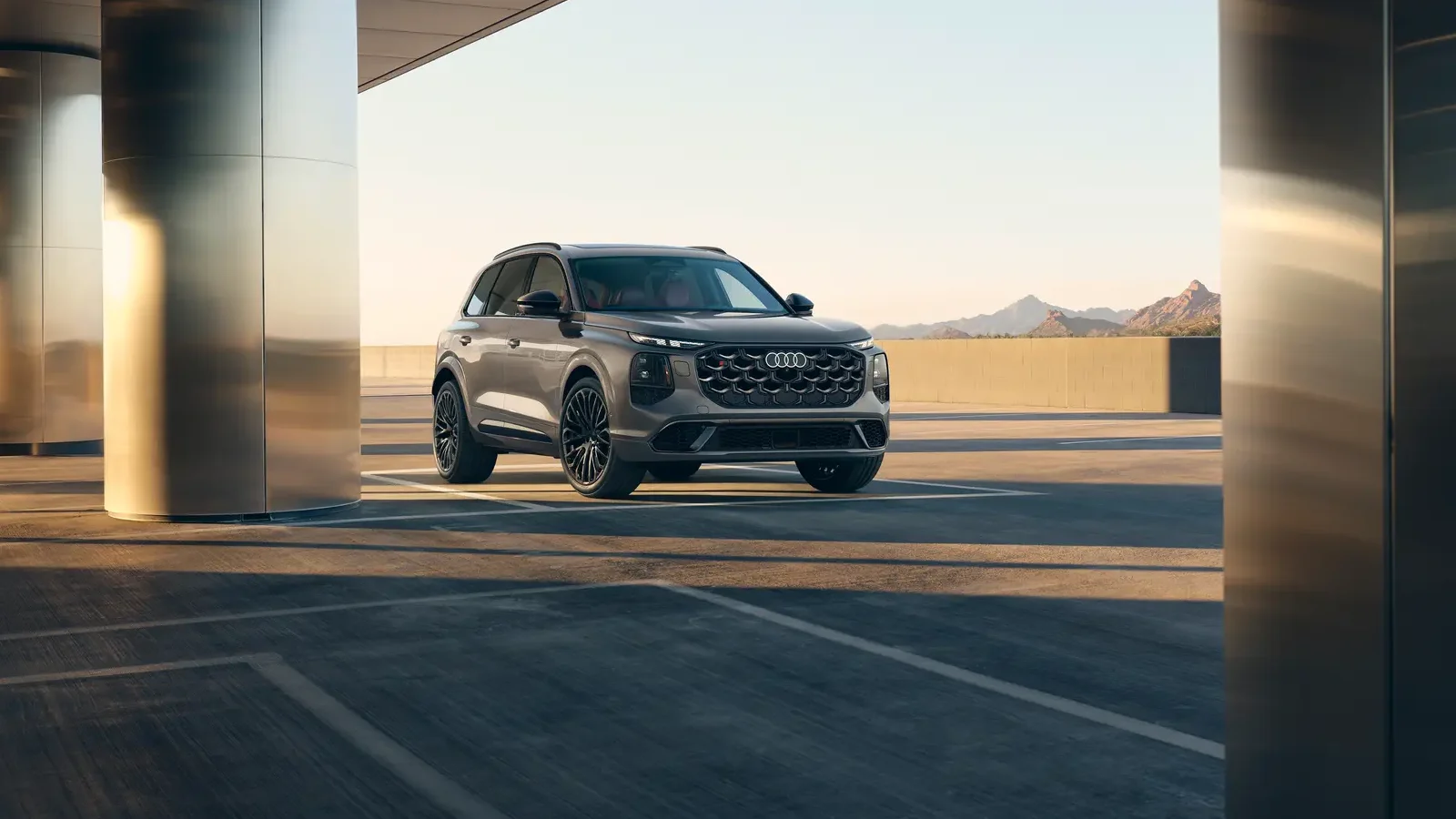
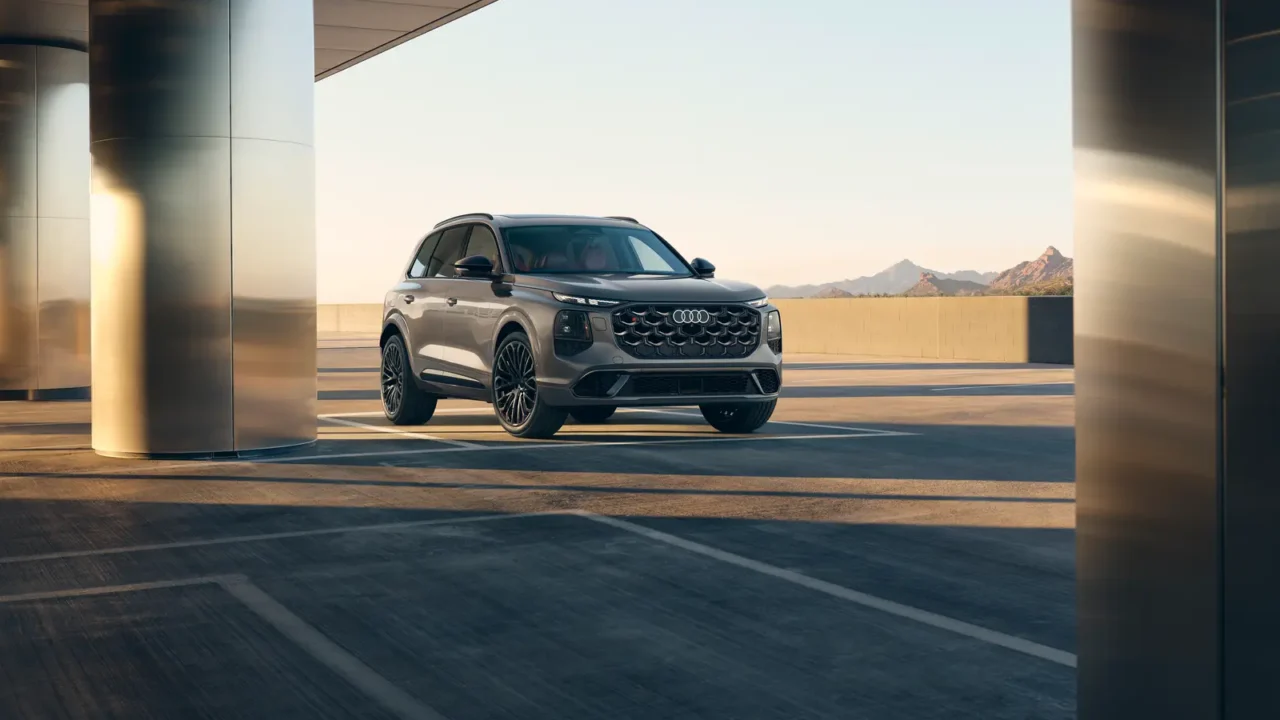
Whichever way you slice it, the new 2027 Audi Q7 brings a hearty helping of tech and performance to the table.
Over the past couple years, Audi has been revamping its SUV lineup as it also prepares to launch the new flagship Q9. We’ve seen brand-new versions of the Q5 and the Q3, but now it’s time for the three-row family hauler that started Audi’s now long-running utility lineup: the Q7. While the brand did give it some updates over the years, the second-generation model ran for a solid decade before finally getting a replacement, and that’s what we have here today. In fact, we have two different versions, as Audi continues both the standard, everyday Q7 and keeps the performance-oriented SQ7 going, too — with the latter getting a serious power bump to its 4.0-liter twin-turbo V8.
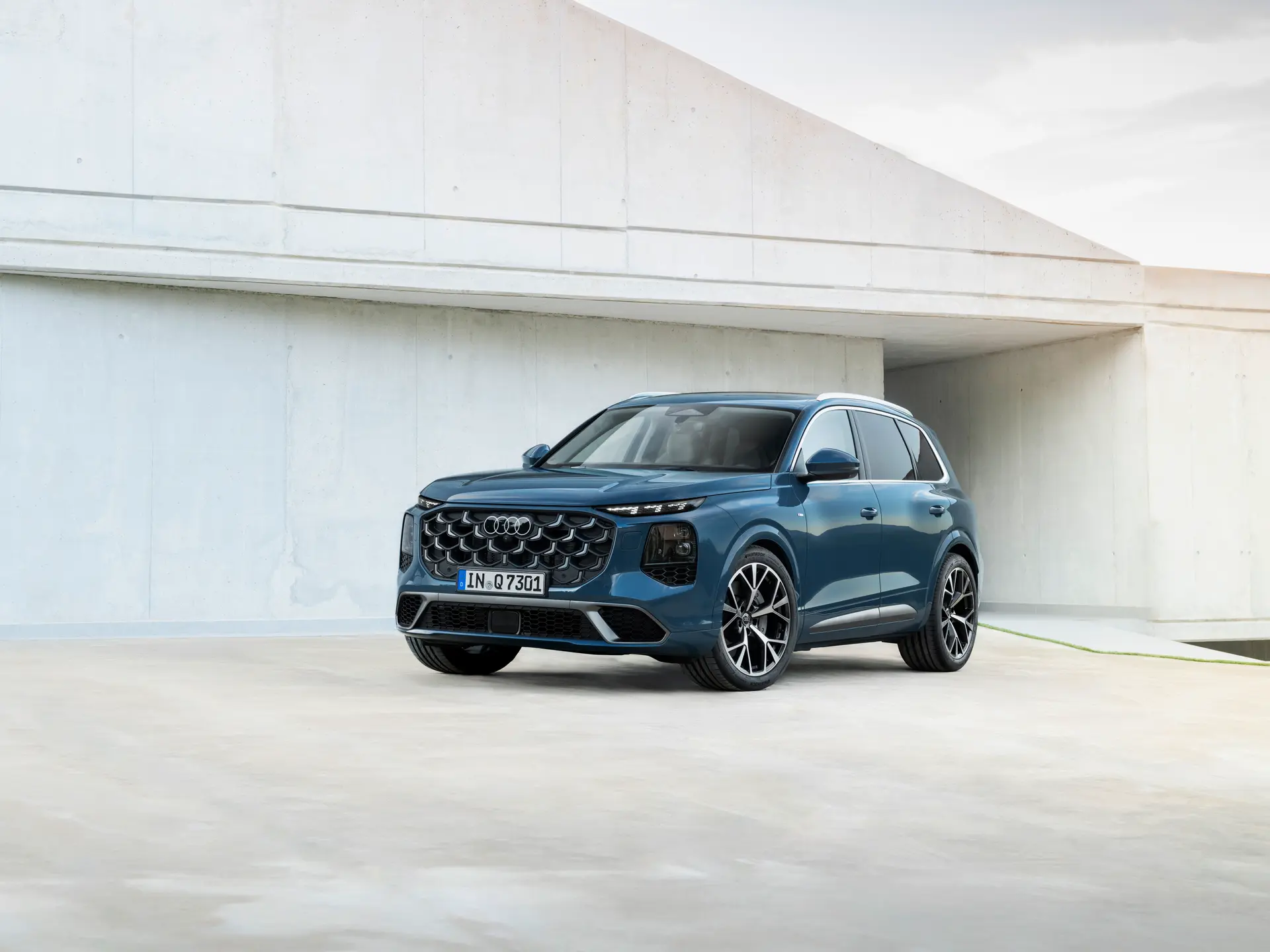
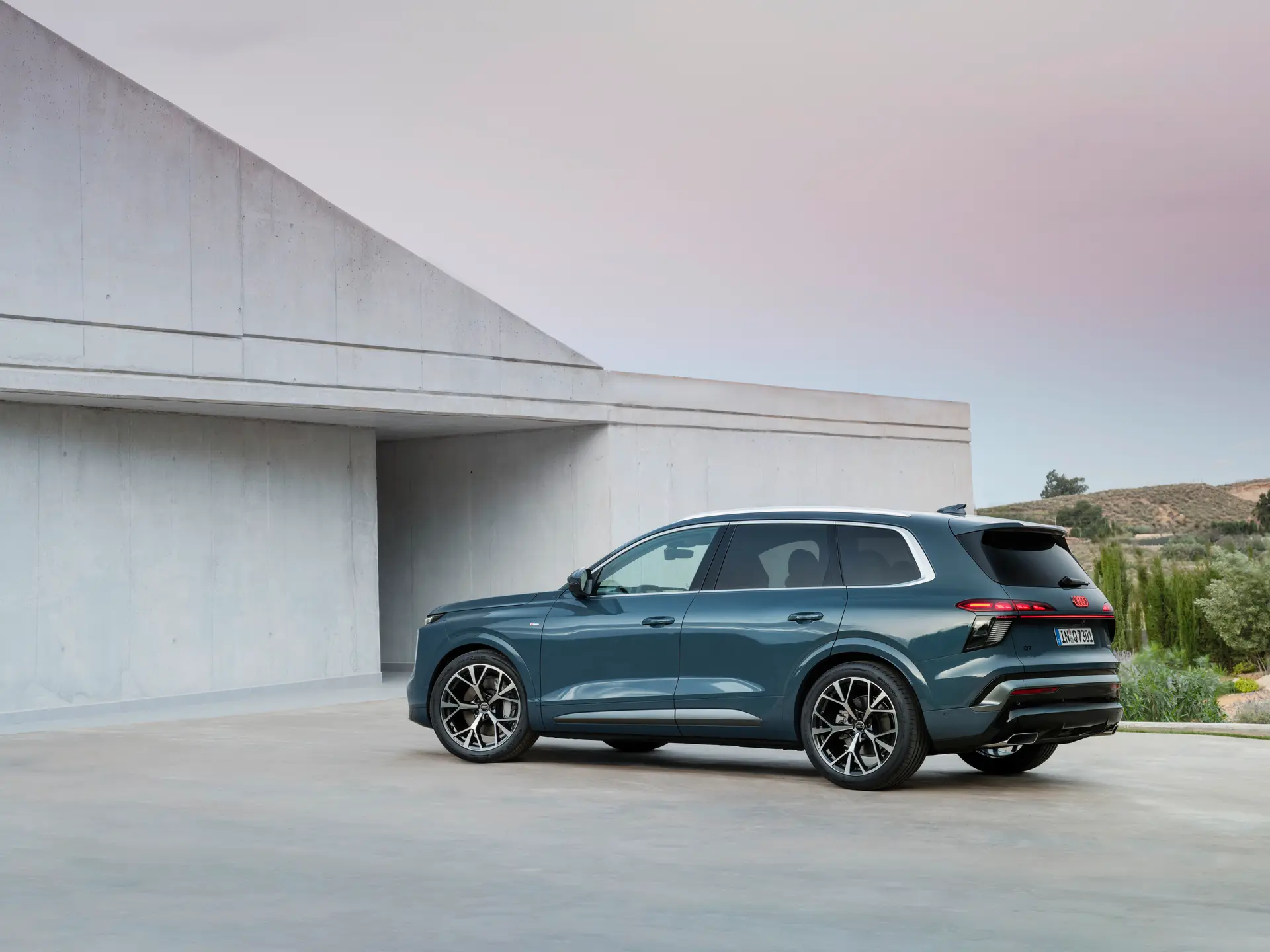
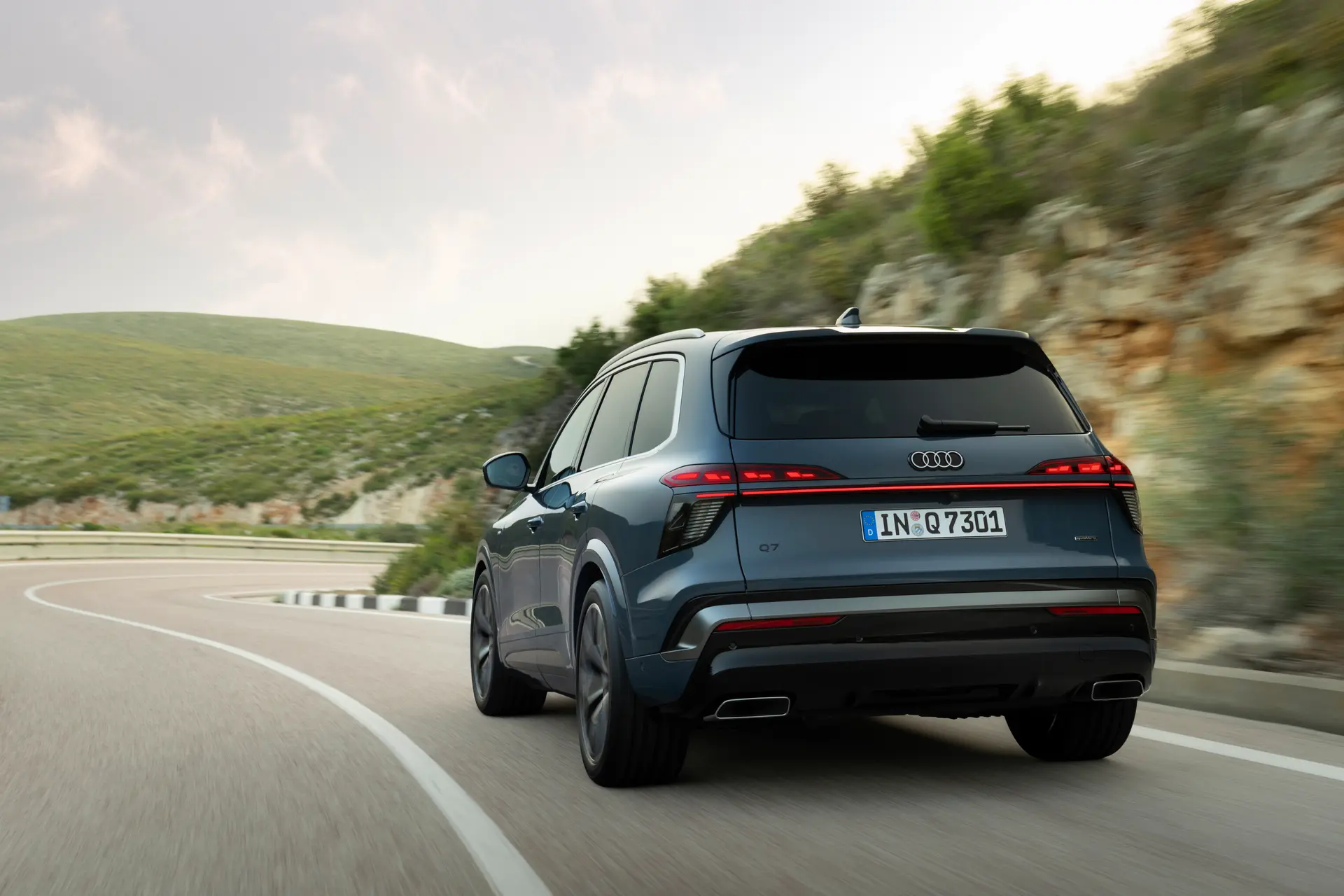
This third-generation Audi Q7 is the first “all-new” model since the 2017 model year. That said, it does keep some similar elements, like the 117.9-inch wheelbase, though it is 0.5 inches shorter, taking up 199.1 inches in overall length. Naturally, it’s also a bit smaller than the upcoming Q9, with slightly less space on the second and third rows as a result. This new Q7 is also a bit wider (79.2 inches) and taller (71.2 inches) than the old one, so there’s a bit more box-like practicality when you compare apples-to-apples.
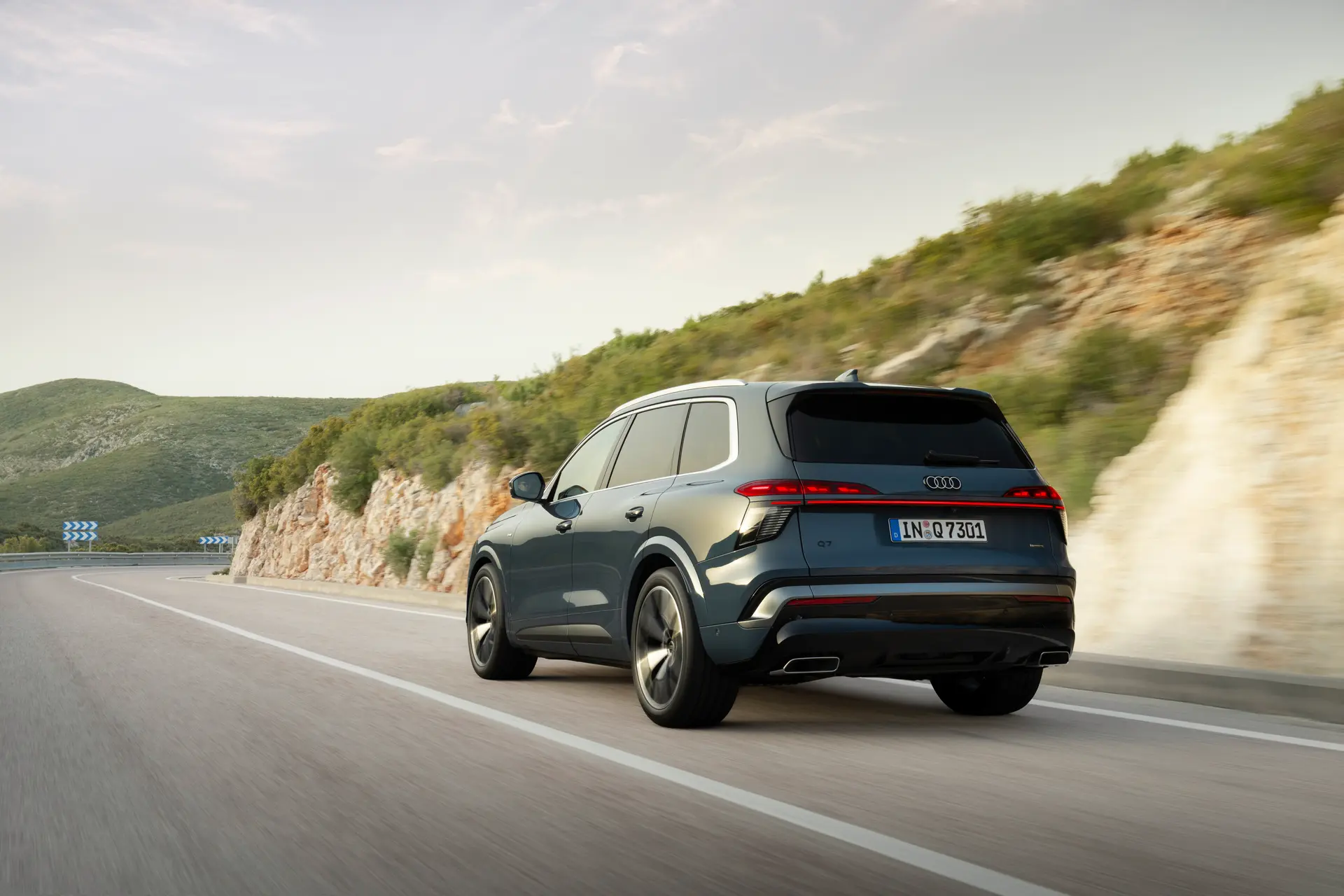
On the looks front…the 2027 Audi Q7 continues the trend of evolving the brand’s styling language, rather than going with something radically different. You do get a more upright side profile and straighter roofline, as well as a new front fascia with split headlights and running lights. On the lighting front, it’s a similar story around the back, where Audi’s taken to splitting the tail/brake lights from the turn signals and reverse lights, so you have two different elements. The new Audi Q7 also (finally) gets Digital Matrix LED lightning, after the U.S. government approved the technology for use here.
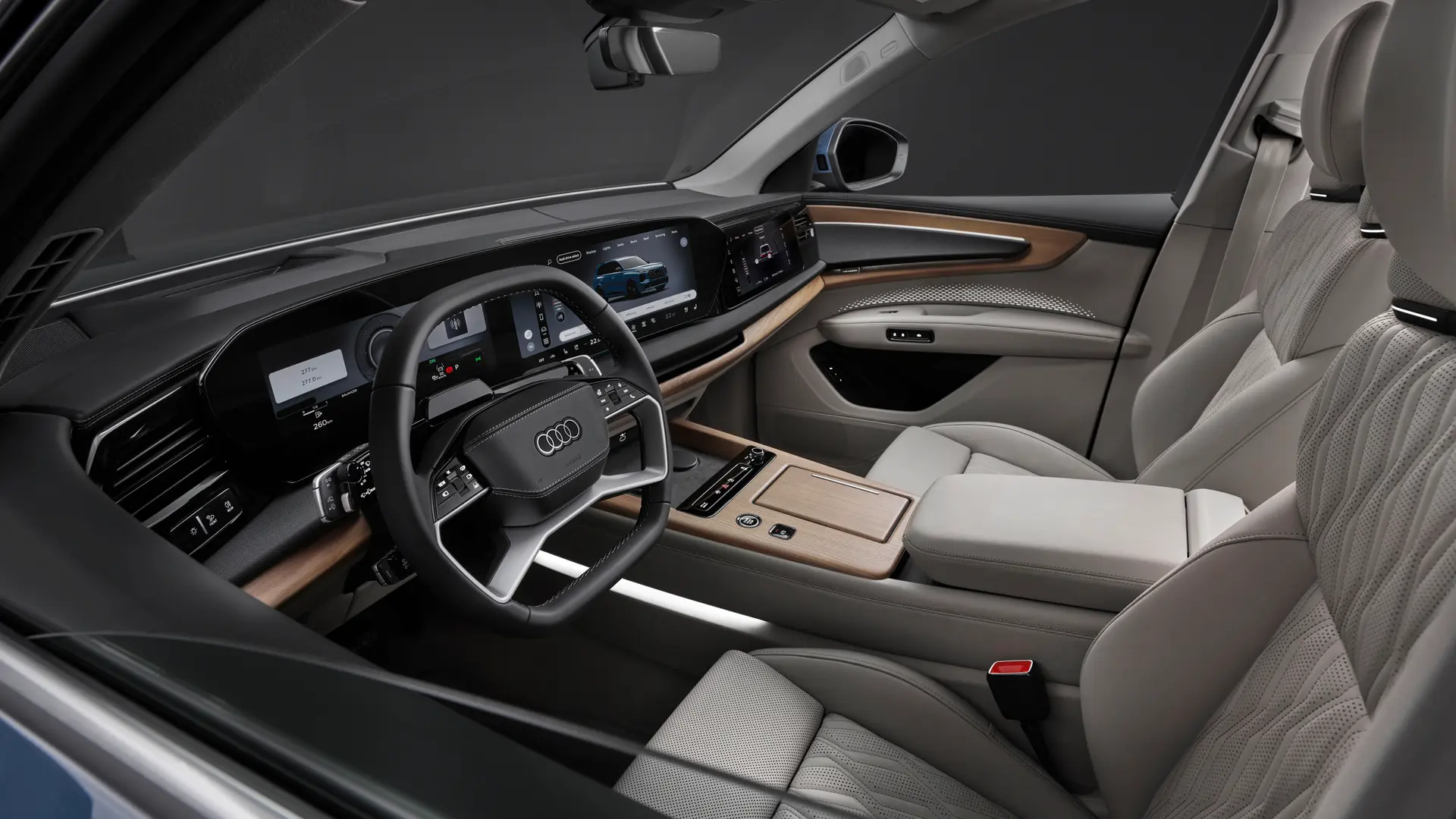
Inside the new Audi Q7
Much like Audi’s other recent updates, the 2027 Audi Q7 gets a pretty major interior shift over the previous generation. Not only do you get the squircle steering wheel, but there are three OLED screens up front, which Audi calls the MMI panoramic display. Under that, you also get a floating center console with dual Qi2.2 standard wireless charging pads, which offer better and more reliable performance, ideally without overheating your phones.
For the first time, you can also spec a Q7 with second-row captain’s chairs. It only took them 20 years, since the other two generations have always sported a bench seat, whether you wanted it or not. The third-gen model still comes standard with seven seats, though it’s nice to at least have the option now. As before, the new Q7 is still a three-row SUV, with 15.1 cubic feet of cargo space with all seats in place. That cargo volume expands to 43.9 cubic feet with the second row folded, and 78.1 cubic feet with second and third rows down. That’s better than both the current BMW X5 and Mercedes-Benz GLE.
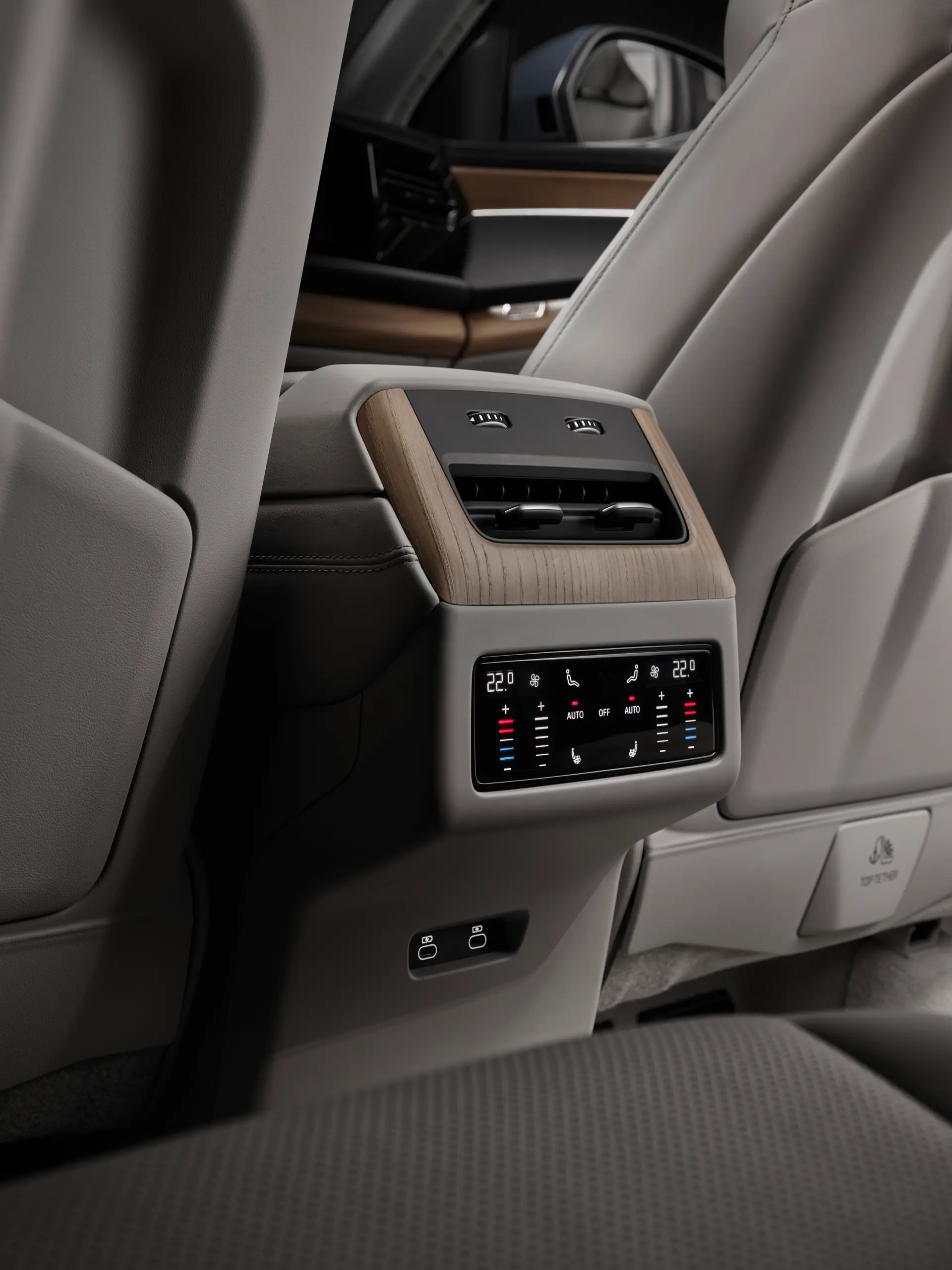
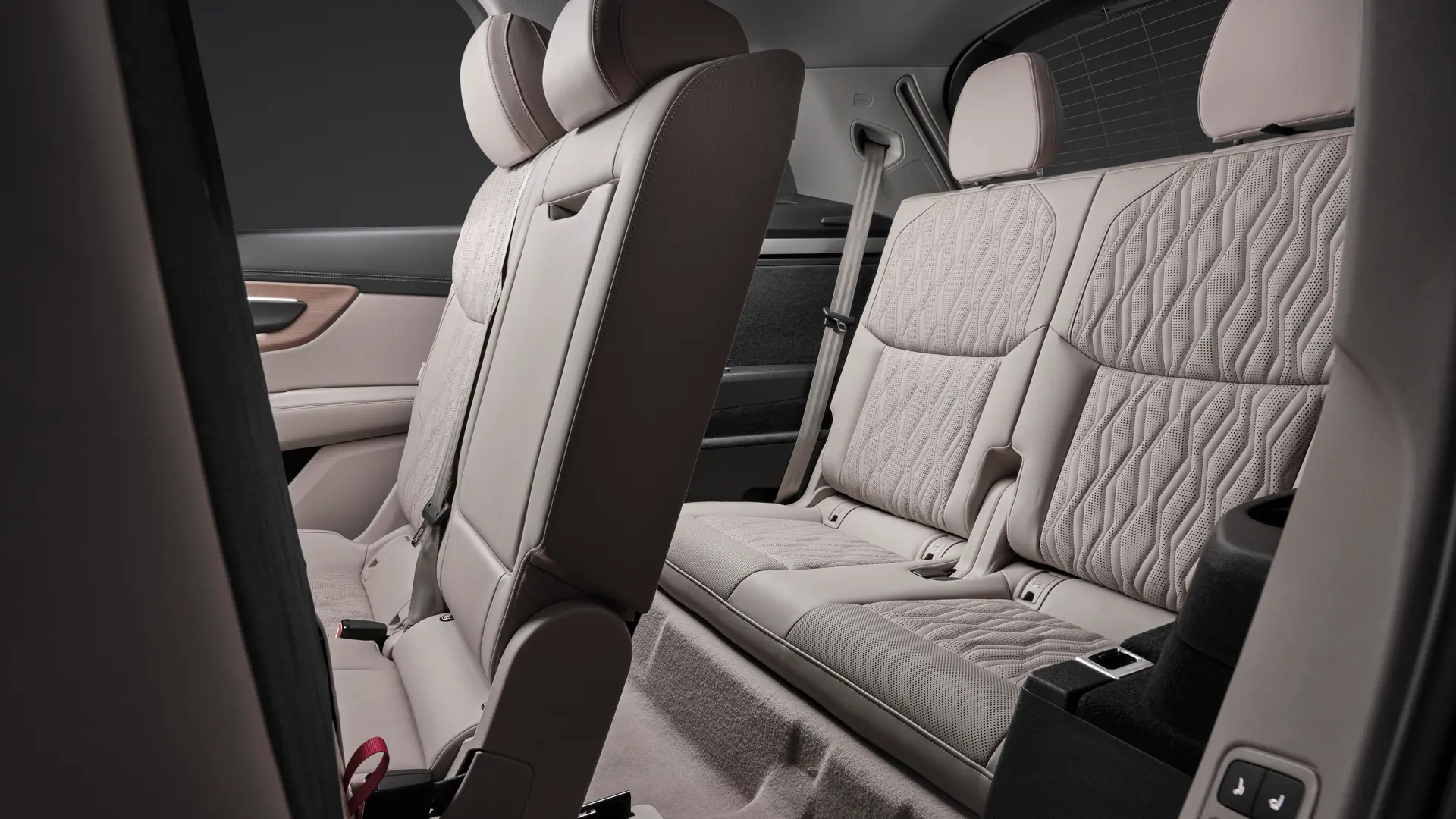
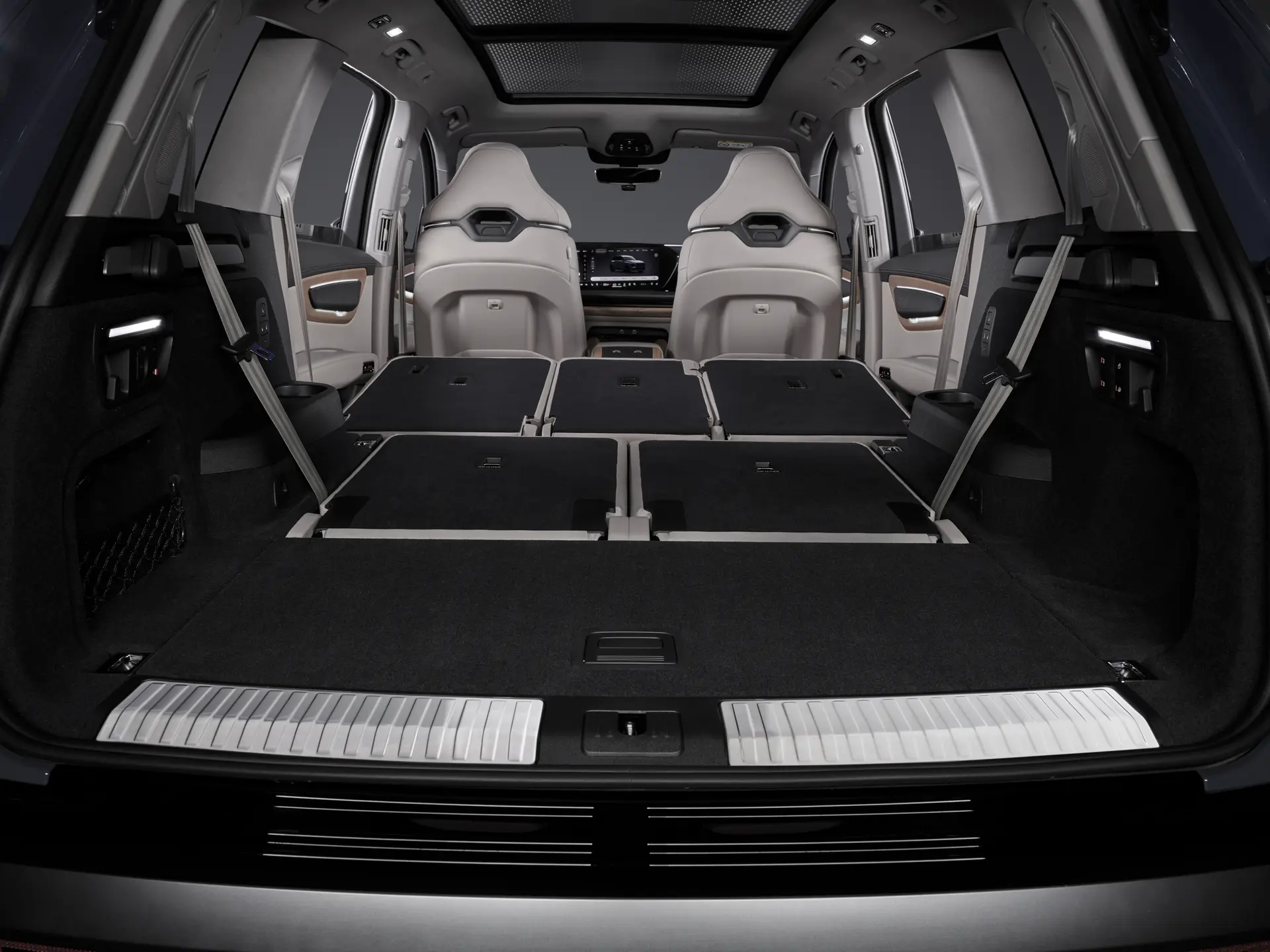
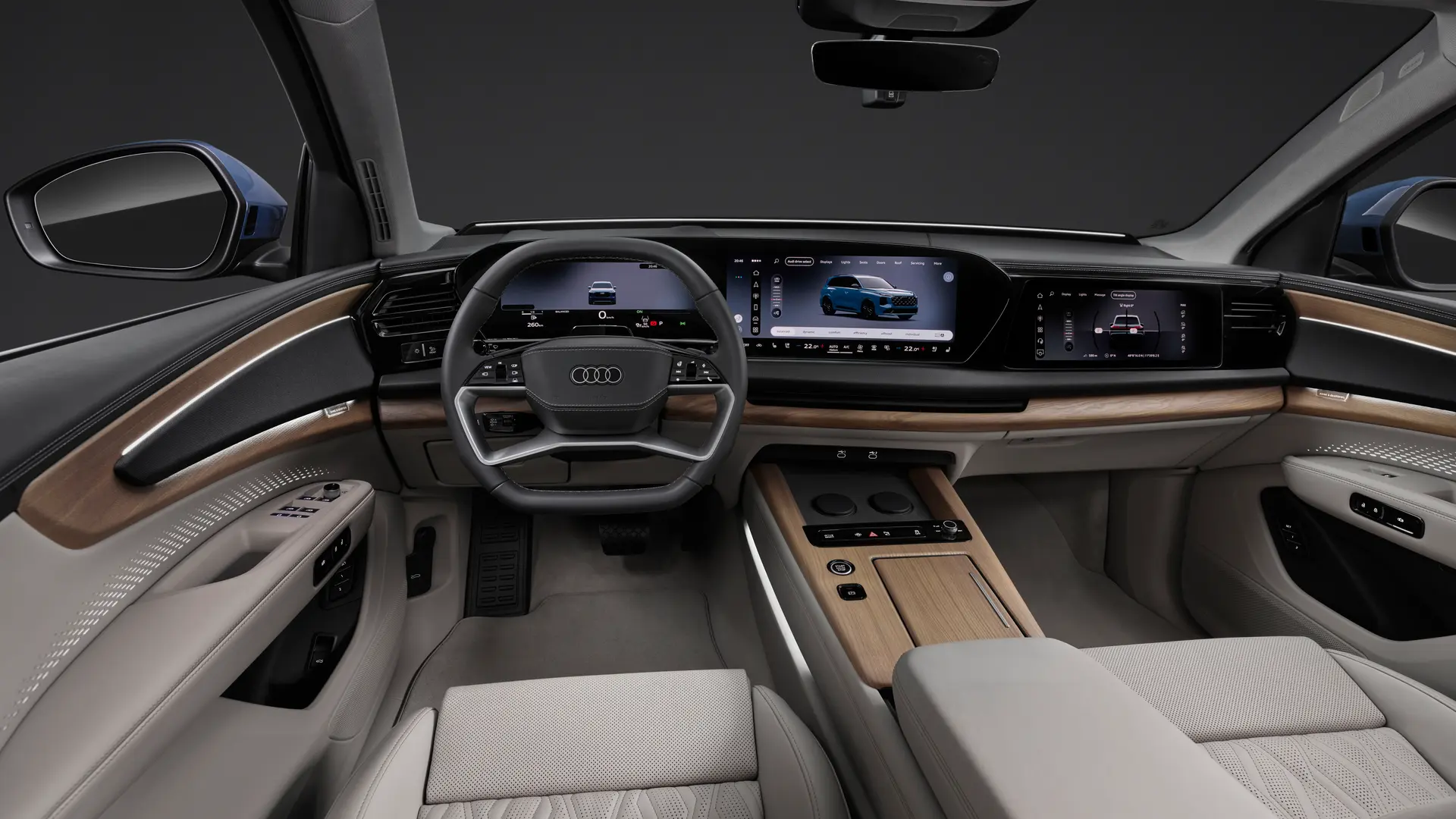
Now, you probably already noticed that the 2027 Audi Q7 is pretty light on physical switchgear. Apart from just a few switches on the center console and the steering wheel, all of your climate controls and most of your media settings are controlled through the infotainment display, for better or worse. The screens are also where you get to settings for the car’s laundry list of driver assistance features. Higher trims of the Q7 also get a built-in dashcam (that’s optional on lower models), while you can also get a head-up display and dimmable panoramic glass sunroof, depending on which trim you choose.
For audiophiles, the 2027 Audi Q7 gets Bang and Olufsen’s latest “4-D” sound experience, where you get the usual battery of speakers as well as headrest speakers and actuators in the front seats so you feel the sound, as well as hear it. The 4D system is a standalone option in the SQ7 as well as the Q7 Premium Plus and Prestige models.
Then there’s the power…
There’s good news for performance enthusiasts, whichever version of the 2027 Audi Q7 you choose. A new 2.9-liter turbocharged V6 replaces the old car’s optional unit and gives much more punch. The now-standard powerplant makes 429 horsepower and 442 lb-ft of torque. The old 2.0-liter TFSI, offered on the base models, is also gone, though you still get an 8-speed automatic transmission and all-wheel drive is now standard fare.
If you’re really looking for power, then you’ll want to step up to the SQ7 instead. Like before, there’s still a 4.0-liter twin-turbocharged V8 under the hood. However, unlike the old model, you get RS levels of power here. Instead of 500 horsepower, you now get a whopping 591 horses (close to the launch figure for the RS6 Avant wagon) and 590 lb-ft of torque.
Both powertrain upgrades cut down this three-row family hauler’s 0-60 times considerably. Even the standard car will make the sprint to 60 mph in 4.8 seconds, while the SQ7 now manages it in 3.7 seconds. Both models still tow up to 7,700 pounds when properly equipped, though Audi is making things easier for drivers this time around with more technology. Trailer stability control is one of those features, which detects and compensates for trailer sway on the move, while the other is an available trailer maneuvering assist. That will take over steering entirely when backing up a trailer, where the driver just tells it where to go through the infotainment display.
How much does the 2027 Audi Q7 cost, and when can I get one?
The new Q7 is still a few months out from actually hitting showrooms. As such, we don’t know exact pricing just yet. The past Q7 started off at $63,295, rising to about $84,000 at the top end. The SQ7, on the other hand, started at $95,095 and stretched into the low $100K range.
I’d worry more about a bigger price hike at the lower end, since the new turbo V6 is now the standard option. To that end, I wouldn’t be too surprised if baseline pricing kicked off at about $70,000.