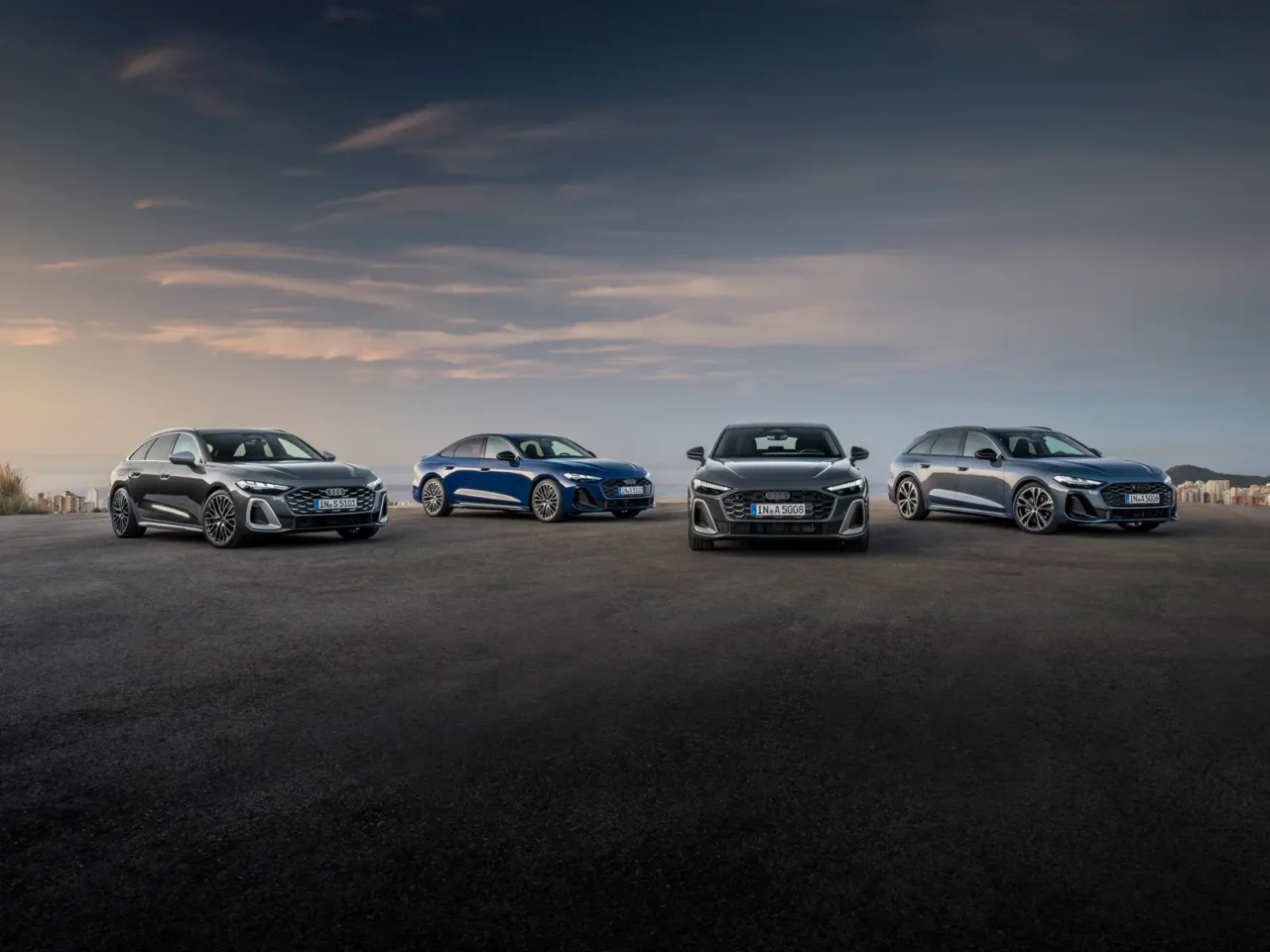
With a heavy EV mix and sluggish SUV sales, Audi didn’t have the best time in terms of sales these past three months. VW also had a rough go of it.
The first three months of 2026 were a mixed bag depending on which OEM you’re looking at, but things aren’t looking too great for Volkswagen Group. That includes the VW brand itself (with a couple notable exceptions), as well as the Audi brand. Porsche, too, lost some serious ground with its iconic 911 sports coupe, but it’s not all bad for Stuttgart, and we’ll get into those details here.
While several OEMs report sales right when the quarter concludes, it took a moment to get official figures out of Volkswagen and its adjacent brands. Overall, VW itself saw a 16.1% drop over where it was at this point last year, while Audi sales slid by an objectively painful 30%.
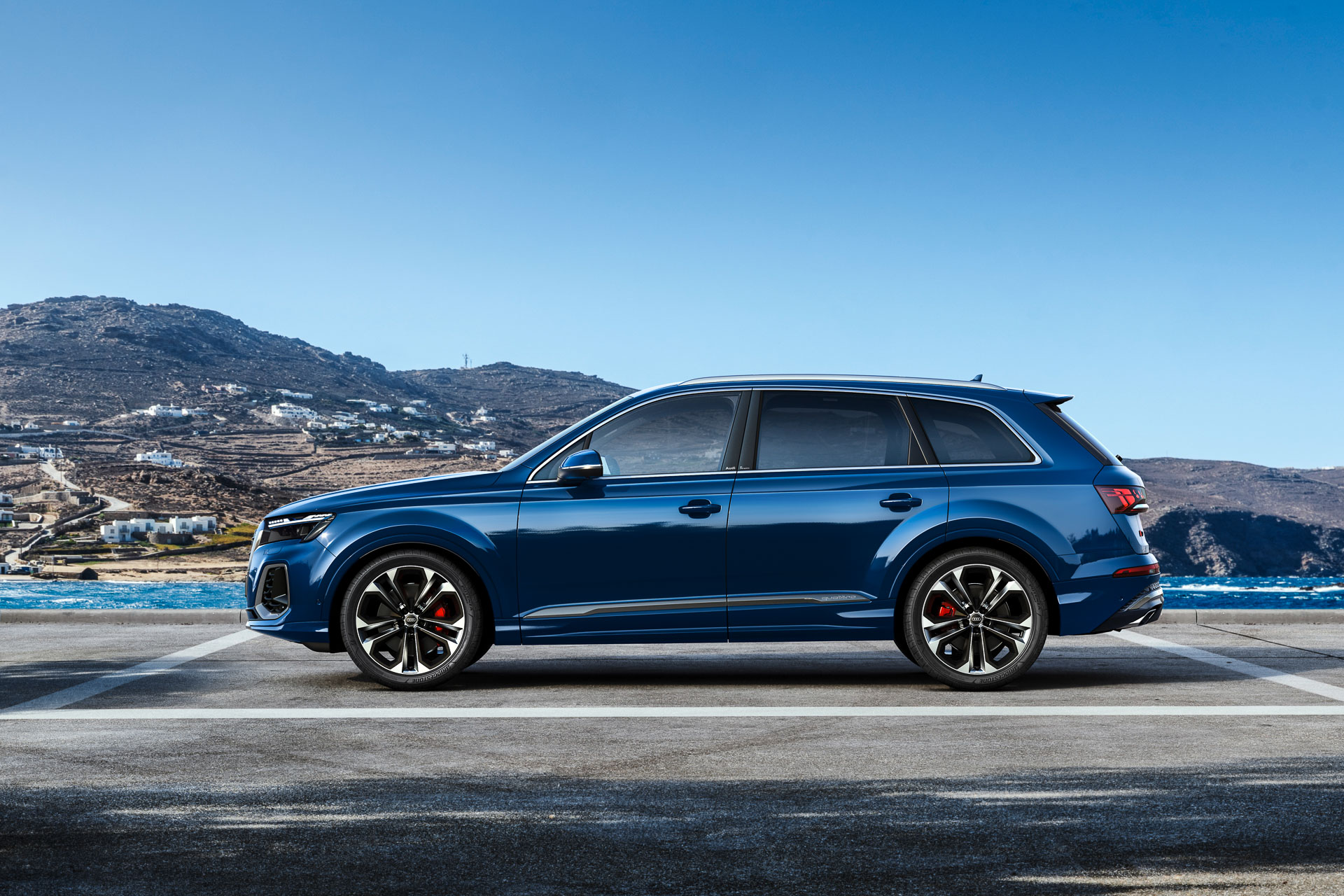
Audi’s SUV sales dropped from Q1 2025…but its sedans did not.
As it published official new car and CPO sales figures, Audi noted “dynamic conditions and headwinds” as well as overall market decline in the first quarter. If you’re thinking, “gee, I wonder if the ‘t’ word came up”, you bet it did: fluctuating automotive tariffs that initially took hold around this time last year (taking hold throughout 2025 and lingering into this year) are a common refrain among OEMs reporting bad sales news this past quarter.
Popular SUV models like the Q3, Q5 and Q7 are down by 20 to 30%, to kick things off. The Q3 (4,256 units sold, down 20%) just landed so the usual production ramp-up is a pain point there. The Q5 also dropped by 26% to 10,100 sales, however, while the Q7 slid 30% to 3,554 units. The more niche Q8, which is currently the flagship in the Audi lineup until the new Q9 arrives, also dropped by 25% to 2,285 sales in the first three months of 2026.
EVs are another major pain point, as they were for most OEMs these past few months. Sales of the Q6 e-tron, for example, dropped by 90% to just 309 units between January and March. Audi made a decision similar to what VW is reportedly doing with the ID.Buzz: It’s skipping the 2026 model year altogether and bringing the Q6 back into the fold for 2027. What we’re seeing here then, is a slowdown as interested buyers grab the last of available dealer inventory before it supposedly starts back up later.
The smaller Q4 e-tron saw a 93% drop to just 90 sales in Q1 2026. Officially, Audi hasn’t discontinued the Q4 and it is still available as a 2026 model on its configurator page. Nevertheless, that is a dramatic collapse in sales that suggests folks are going toward the competition for their next EVs, if they’re buying EVs at all.
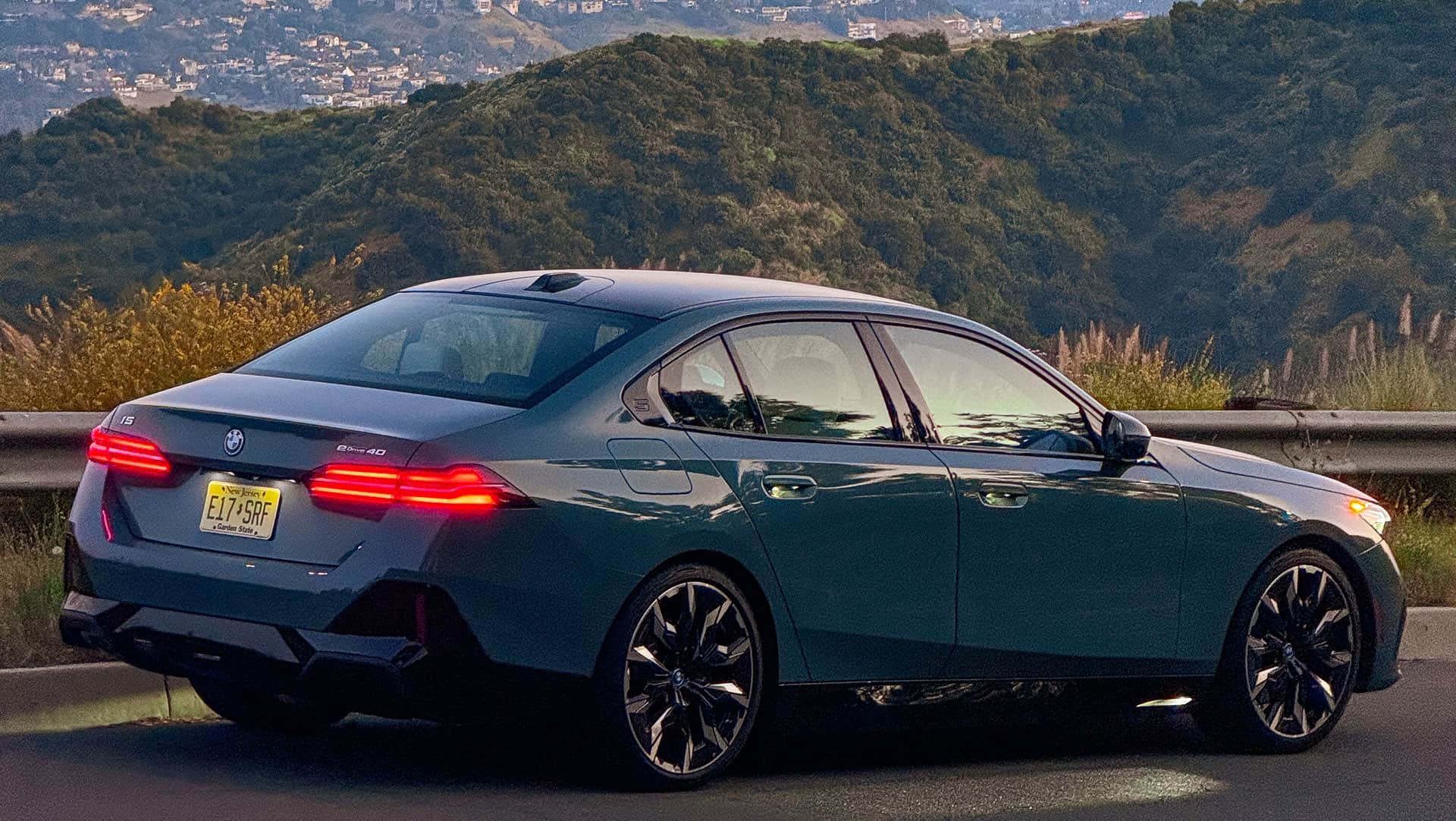
Interestingly, where you would normally expect a drop in sales, Audi actually reported some gains. In fact, the only Audi models to pick up some ground are the new A5 (which saw a 6% increase to 4,372 units) and the A6 (which picked up 9%, to 2,026 units). The automaker effectively replaced the A4 lineup with its new A5 as a compact sedan, while it made the decision to launch the A6 in both gas and electric variants. Considering the A6 e-tron sold 164 units in the first three months of 2026…that was a good call.
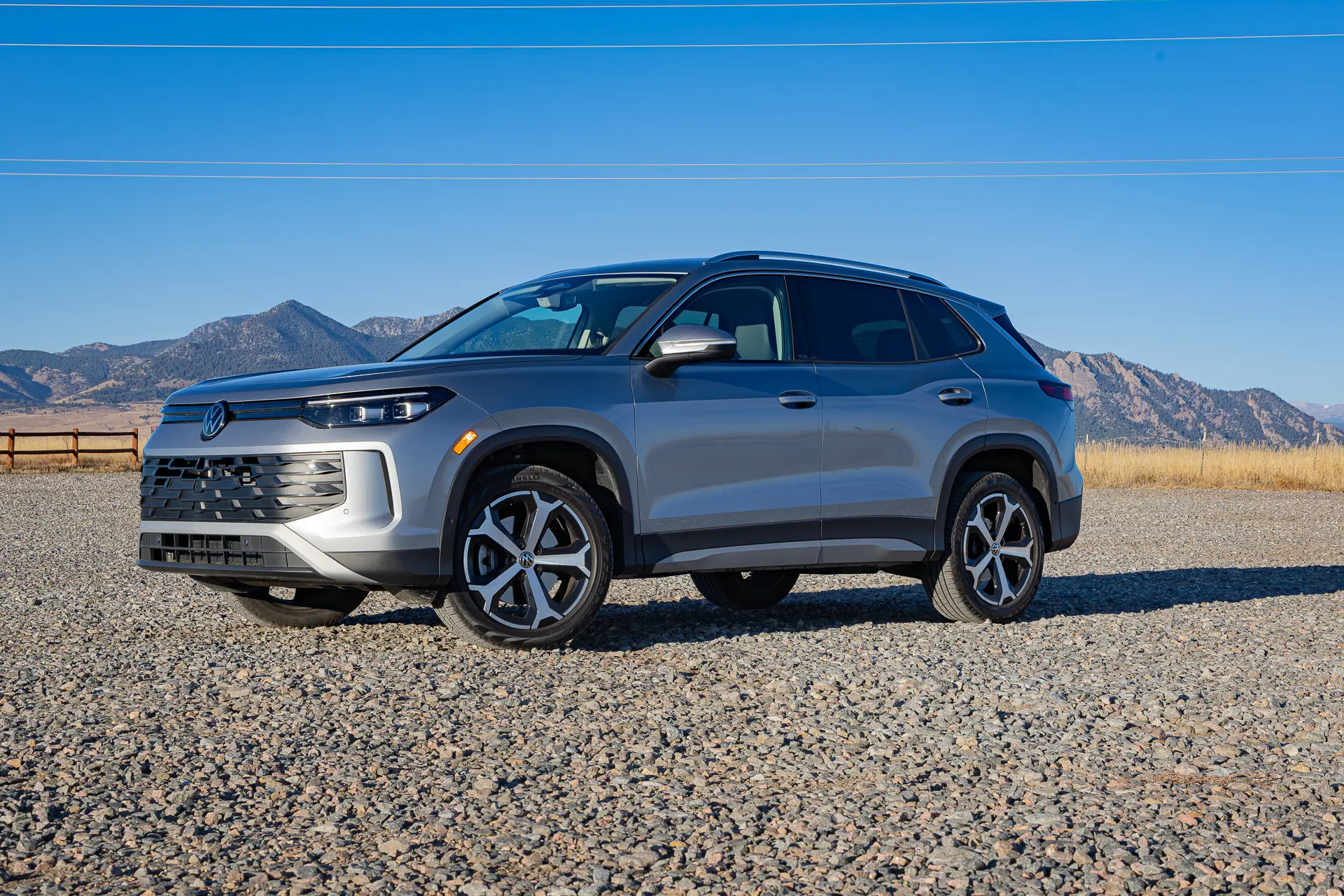
Volkswagen also broadly saw its sales decline, with a couple exceptions.
Across the board, VW itself saw a 16.1% drop in total sales year-over-year from the first three months of 2025. At first glance, you can spot the expected culprits: the ID.4 and ID.Buzz EVs. It’s likely company executives saw the writing on the wall prior to its decision to discontinue ID.4 production in the U.S. — sowing doubt the model would return. Volkswagen says a replacement for the ID.4 will arrive in due time, but if the demand isn’t there…well, you can fill in the blanks. It’s a similar story with the ID.Buzz, so we’ll have to wait and see.
It’s not just EVs, however. The small Taos SUV also took a beating in the sales charts, dropping by 40.8% to 9,995 units between January 1 – March 31. The Jetta sedan saw a similar trouncing, dropping by 34.9% to 11,565 sales. And it continues with the GTI, which dropped 21.6% to 1,484 sales. It’s worth noting at this point that all three models are built at the company’s Puebla, Mexico plant, so tariffs could have played a role in the company’s performance here…but there is one huge exception.
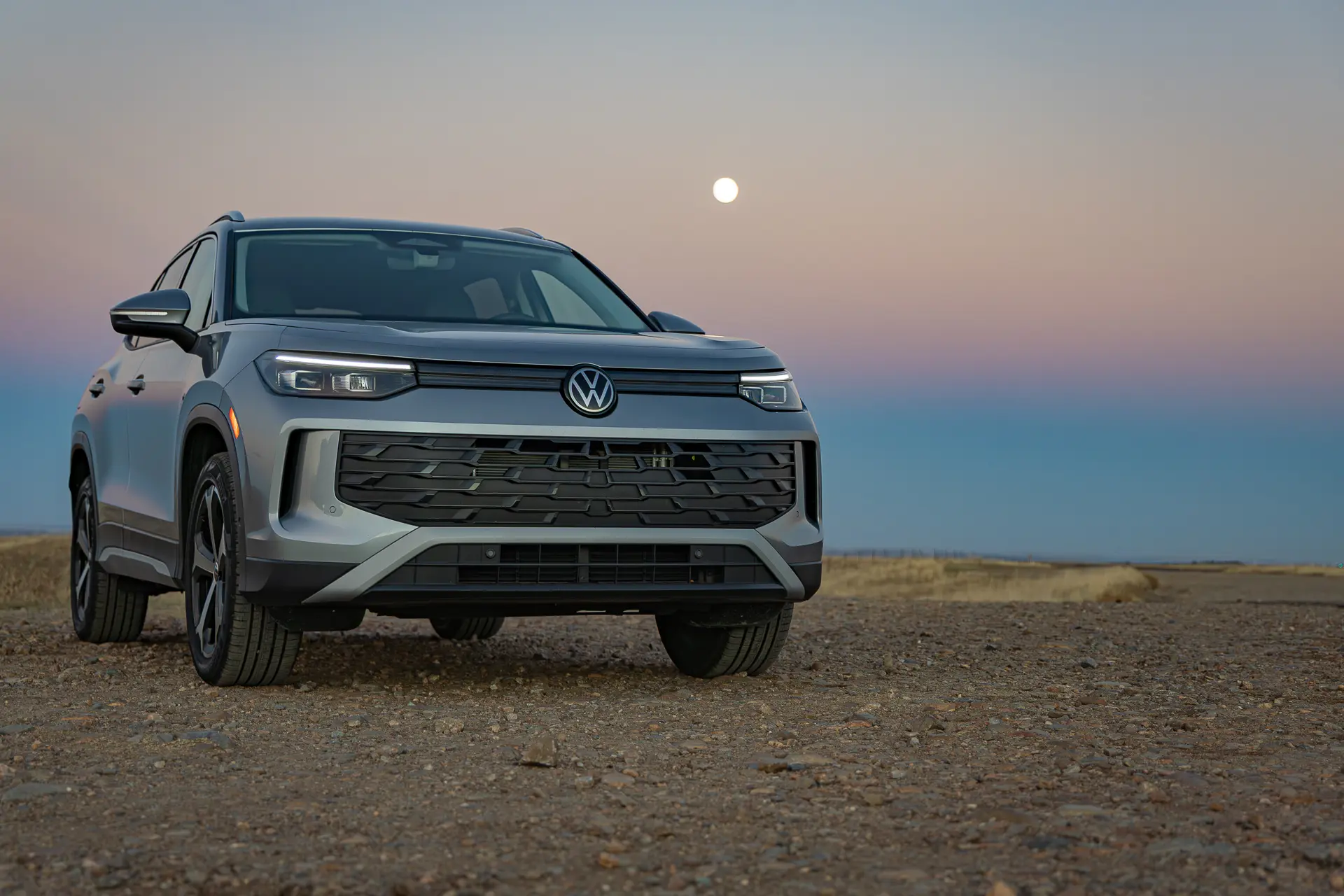
That is the long-wheelbase Volkswagen Tiguan, which saw its sales increase by a whopping 55.2% to 29,928 units. While the company was relatively quiet about the rest of its sales release (in fairness, there’s not much to celebrate), the Tiguan is the one car that really saved VW’s bacon in early 2026. At the very least, its performance evokes the classic “things could have been a lot worse” comment.
The only other car that gained ground in VW’s latest sales report is heartening, as well: the Golf R. Even though it’s never been a huge volume seller, the R’s 4.7% increase to 806 units is better than seeing its high-end hot hatch trending in the other direction. What’s also good news for enthusiasts is the company’s continued dedication to the models. You may not be able to get either with a manual transmission anymore (RIP), but Dr. Kjell Gruner, president and CEO of Volkswagen Group of America, emphatically said its hot hatches are sticking around, calling them the “heartbeat” of the brand.
Volkswagen’s other major SUV, the Atlas, also continues to sell decently well. While it did drop by 3.2% in Q1 2026, it still sold 16,361 units. What’s more, the company is allocating more production to the Atlas at its Chattanooga plant, after booting the slow-selling ID.4 to make the Atlas it’s only output from that plant, at least for now.